

Waterproof Zippers for Outdoor Products
Waterproof fabric is not enough if water still gets in through the zipper. Here is how waterproof zippers work and where they are used.
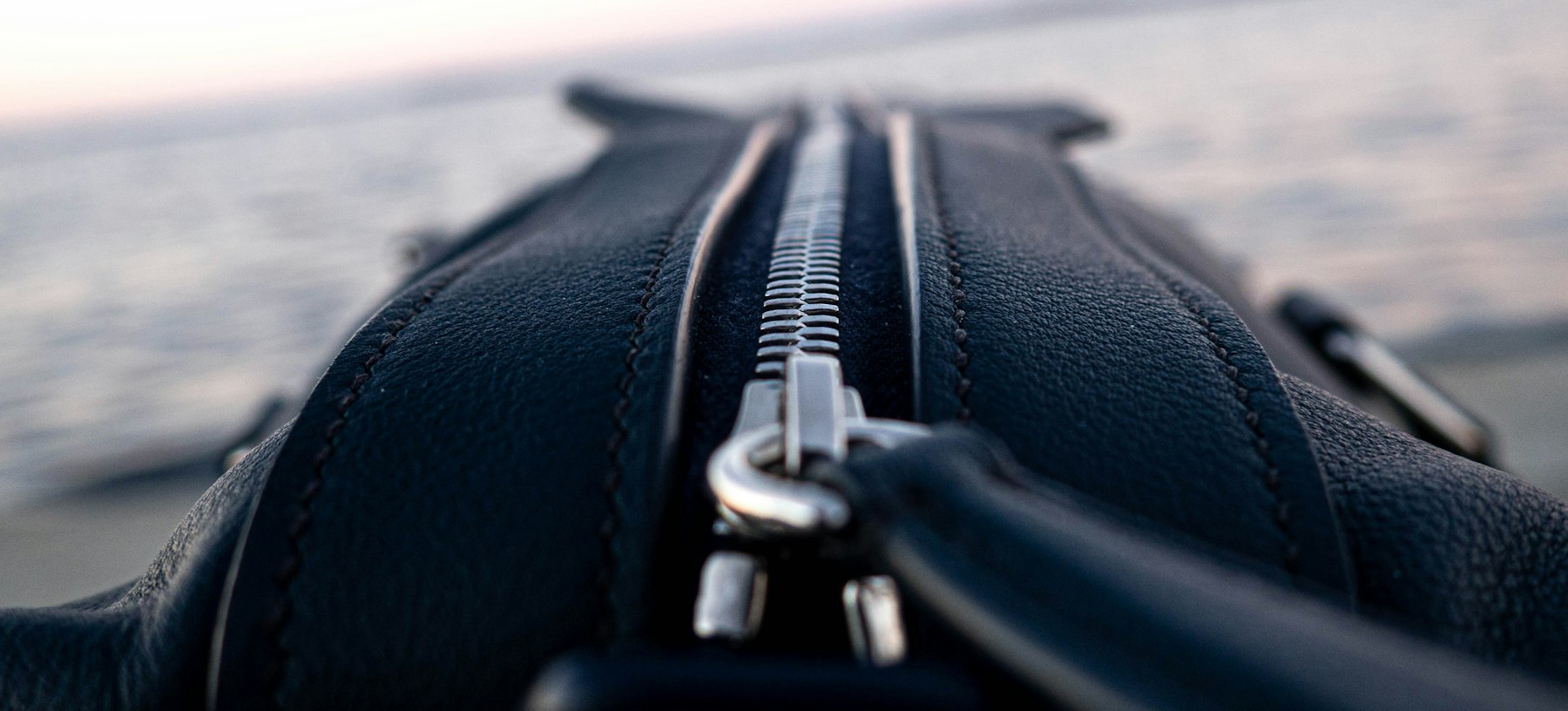
Waterproof fabric does not guarantee a dry product. Water usually gets in through seams and closures, and the zipper is often the detail that gets overlooked.
Why a standard zipper can leak#
A conventional zipper has small gaps between its teeth. In heavy rain, water can seep through those gaps into the inside of a jacket or bag.
How a waterproof zipper works#
These zippers are coated with polyurethane (PU) or another special coating so they repel water and keep moisture outside. The coating is designed to avoid making the zipper stiff.
Common uses:
- Outdoor backpacks
- Rain jackets
- Emergency tents
- Technical protective gear
Design it as a system#
The zipper is only one part. The stitching around it and any water-sealing method also decide whether water gets in, so it helps to plan all three together from the start.
If you are developing an outdoor product, take a look at our waterproof zippers options, or tell us what you need.
Continue exploring
Related articles
Material Innovation
Sustainable Textile Material Trends
Buyers care more about where materials come from. Here is where raw materials, dyeing, and coating are heading.
Material Innovation
Kevlar Webbing: Key Characteristics
Kevlar is very strong for its weight but degrades under UV light. Here are its main properties and how makers work around them.
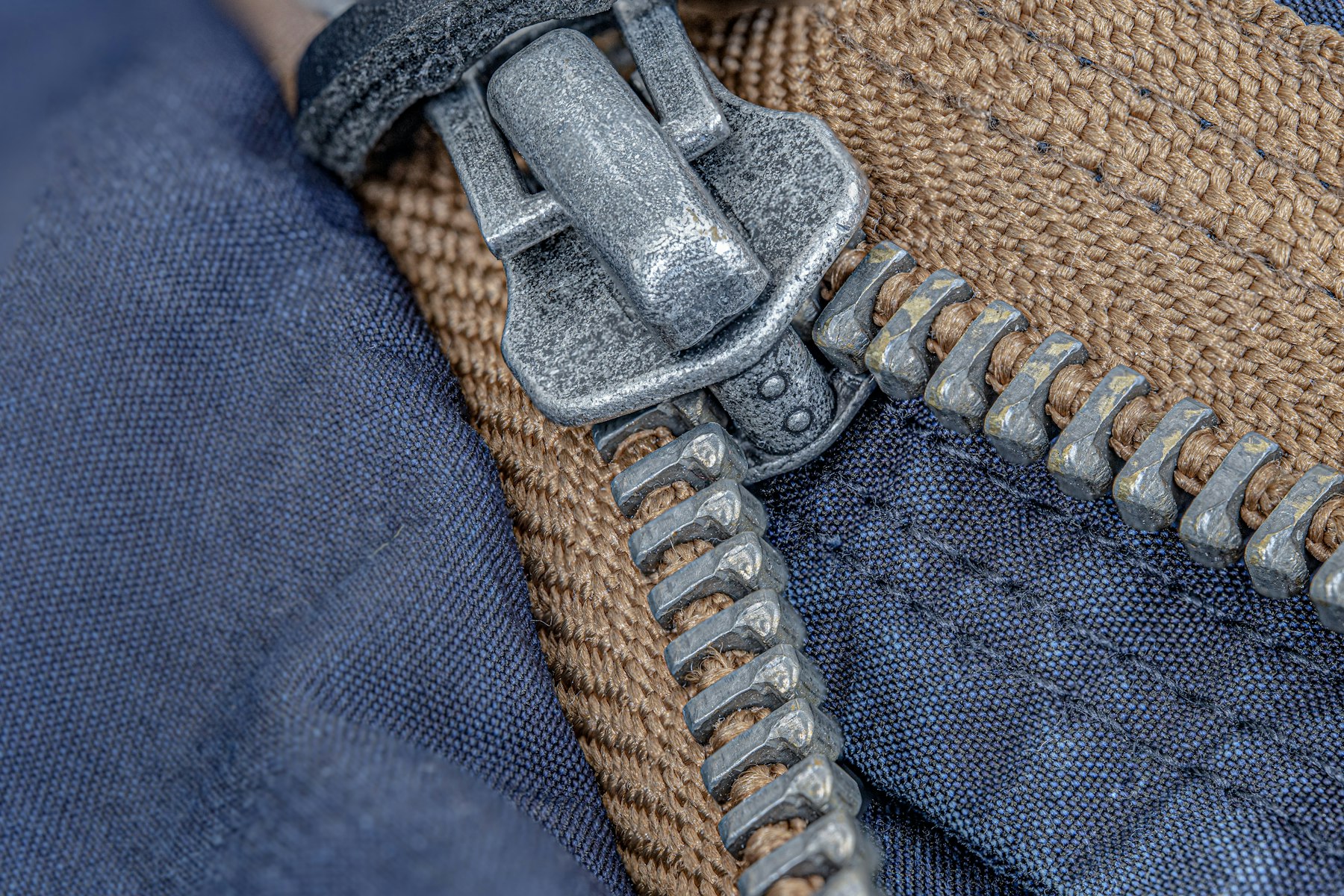
Manufacturing Tips
Why Zipper Customisation Matters
Branded pullers, tape colours, and tooth sizes can be tailored so the zipper carries your product's identity.