

Kevlar Webbing: Key Characteristics
Kevlar is very strong for its weight but degrades under UV light. Here are its main properties and how makers work around them.
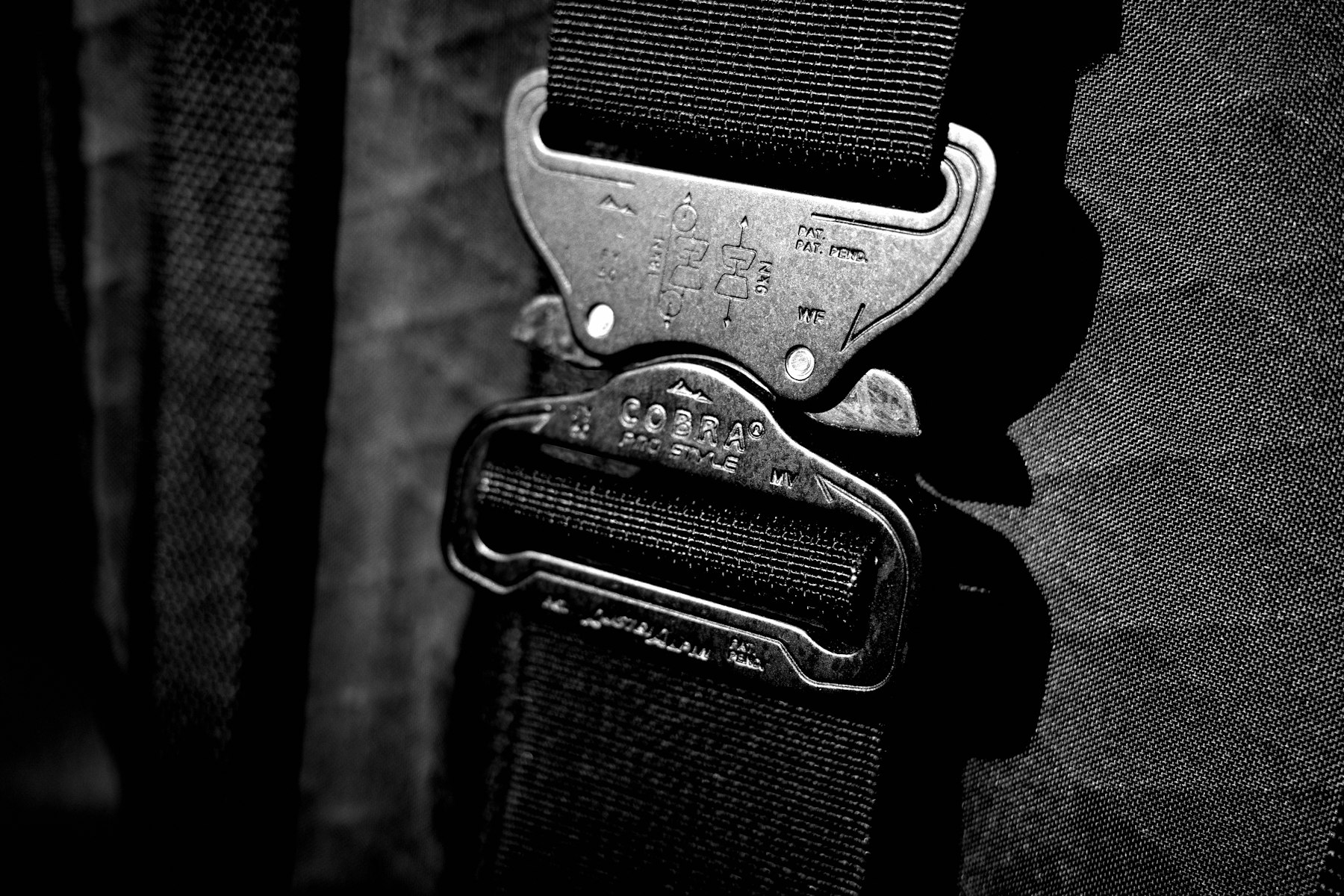
Kevlar is a synthetic fiber developed at DuPont in 1965, known for its high strength-to-weight ratio. Woven into webbing, that property is put to work in products that carry heavy loads.
Strength for its weight#
Kevlar's molecular chains are packed very tightly, so the fiber resists breaking and penetration. That is why it is common in personal protective equipment. As webbing, it is often described as far stronger than steel cable of the same weight.
Common uses#
You will find this type of webbing in parachute systems, climbing safety lines, racing harnesses and construction worker harnesses. Its flexibility lets the wearer keep moving freely.
The UV weakness#
Several days of direct sunlight can damage Kevlar's polymer bonds and cut its strength significantly. For this reason Kevlar webbing is often covered with a nylon or polyester sleeve to block UV light.
Need webbing for this kind of use? See our webbing products, or ask us about the material.
Continue exploring
Related articles
Material Innovation
Sustainable Textile Material Trends
Buyers care more about where materials come from. Here is where raw materials, dyeing, and coating are heading.
Material Innovation
Waterproof Zippers for Outdoor Products
Waterproof fabric is not enough if water still gets in through the zipper. Here is how waterproof zippers work and where they are used.
Product Guide
Nylon vs Polyester Webbing
Both are strong, but they behave differently under shock loads, water and sunlight.