

Sustainable Textile Material Trends
Buyers care more about where materials come from. Here is where raw materials, dyeing, and coating are heading.
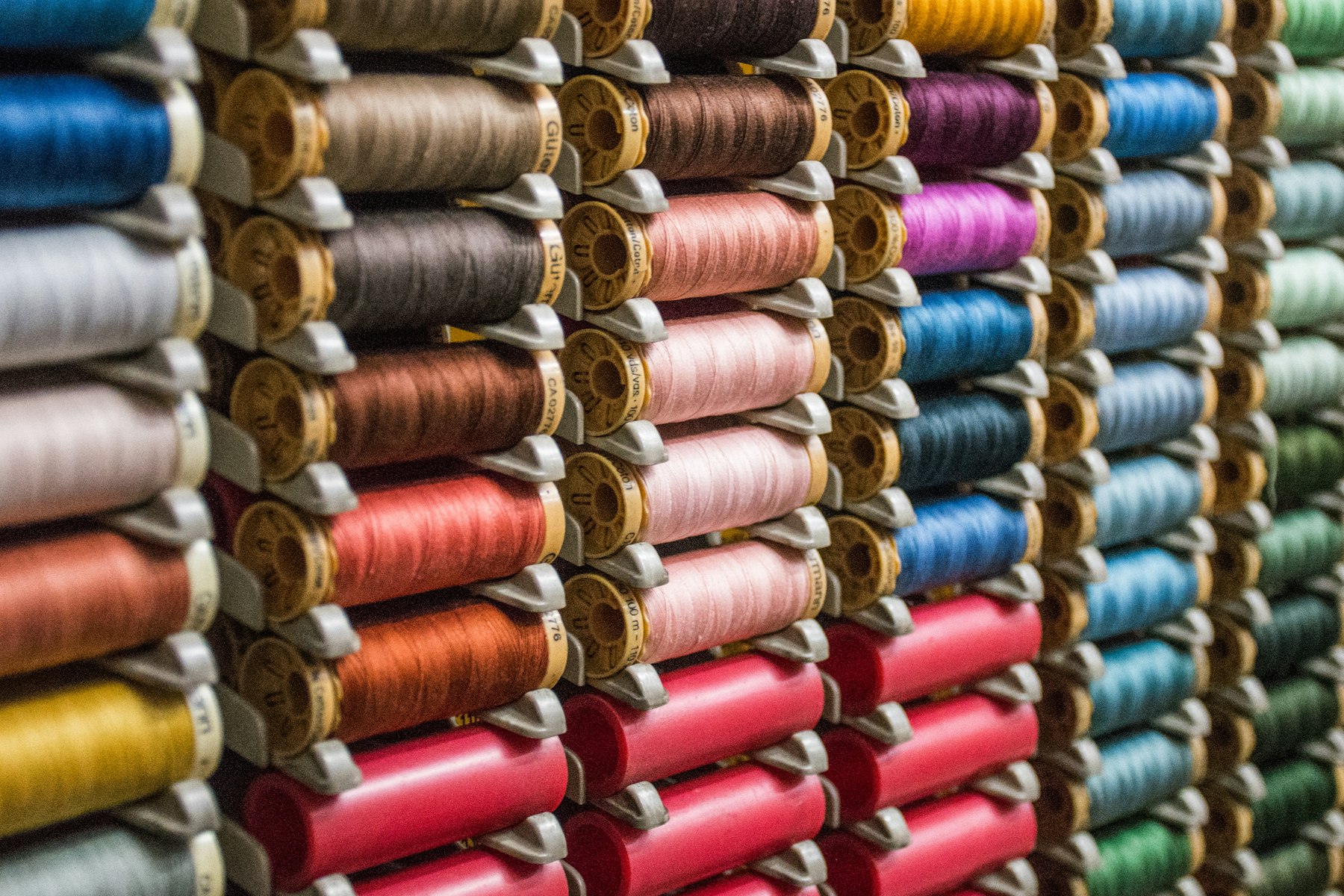
Environmental awareness is changing how the textile industry works. Consumers are asking where clothing materials come from, and brands are adjusting their sourcing requirements.
Raw materials#
One common step is recycled polyester made from used plastic bottles. Besides reducing waste, it cuts the use of virgin, petroleum-based polyester.
Dyeing and coating#
Dyeing is also shifting toward methods that use less water and produce less chemical waste. For waterproof fabrics, coatings are moving away from harmful chemicals.
What it means for sourcing#
In Indonesia, some brands are starting to add sustainability criteria to how they select material suppliers. Manufacturers who want to be ready can begin with a few steps.
- Ask about the fibre origin and dyeing process of your materials.
- Request written information from suppliers when they make eco-friendly claims.
- Test new materials on samples before using them at scale.
To discuss material options, see Specialty Fabric or get in touch.
Continue exploring
Related articles

Material Innovation
Kevlar Webbing: Key Characteristics
Kevlar is very strong for its weight but degrades under UV light. Here are its main properties and how makers work around them.

Material Innovation
Waterproof Zippers for Outdoor Products
Waterproof fabric is not enough if water still gets in through the zipper. Here is how waterproof zippers work and where they are used.
Textile Industry
Planning Your Material Supply for Production
Garment and bag factories need consistent material supply. Here is what to prepare when choosing a supplier.