

Camouflage Fabric and Where It Is Used
A camouflage print is only the look. How the fabric performs depends on its base material, which is what to choose first.
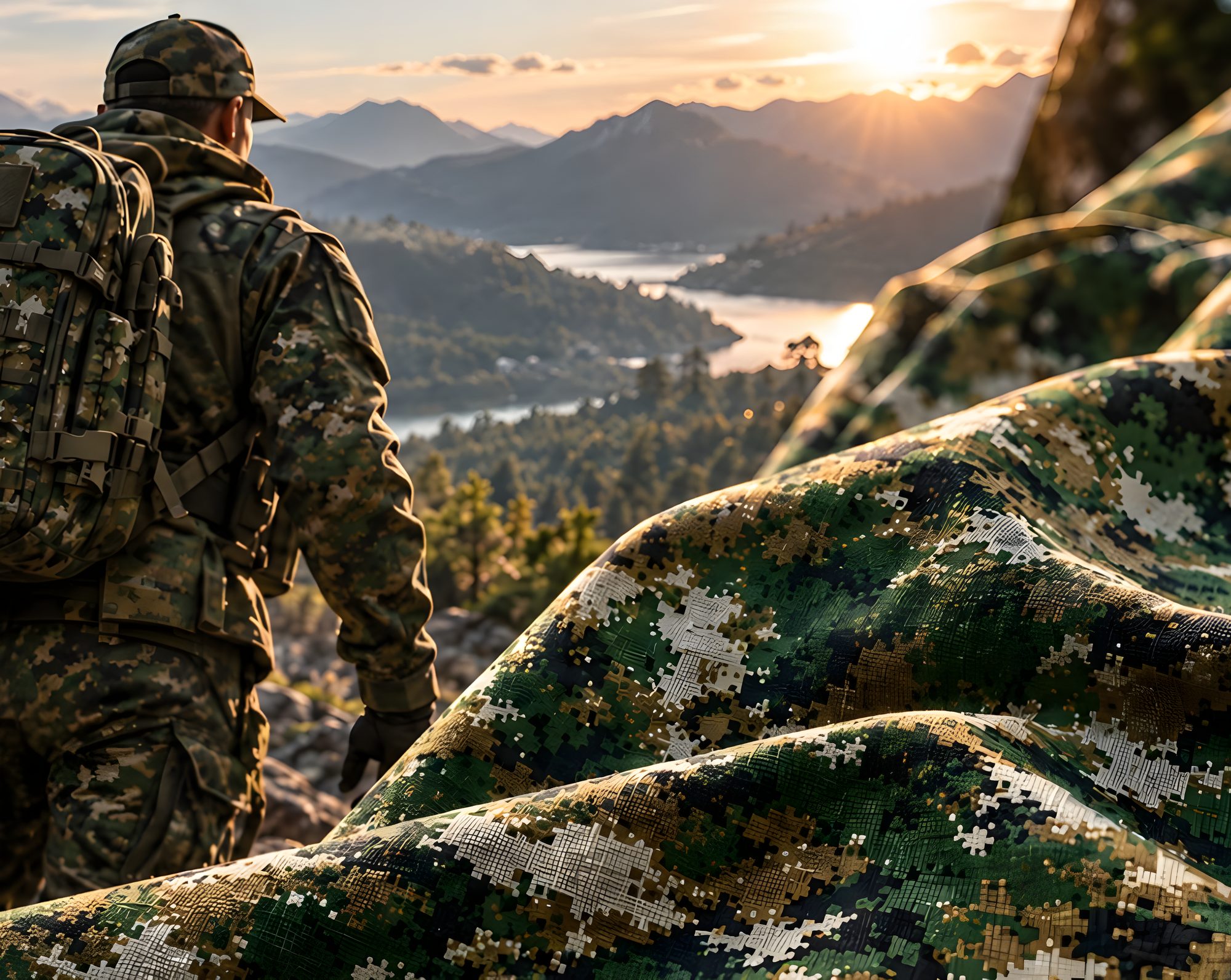
Camouflage patterns are no longer limited to military use. They show up in outdoor clothing, streetwear and civilian tactical gear, but how the fabric performs still comes first.
The print is the look, the base is the performance#
Camouflage fabric is more than a green pattern on textile. Its quality depends on the base material, such as ripstop cotton for tear resistance, Cordura polyester for abrasion resistance, or a nylon blend that is light yet strong.
For uniforms and field use#
On uniforms, the pattern is designed to blend the wearer's silhouette into the surroundings, from tropical forest to desert. Some fabrics also get an anti-infrared (IRR) treatment so they are harder to pick up through night-vision equipment.
For commercial products#
Makers of tactical backpacks, tents and field jackets usually look for fabric with an added coating that repels water or blocks wind.
If you are choosing fabric for a camouflage-pattern product, see our camouflage fabric or tell us about your product.
Continue exploring
Related articles
Product Guide
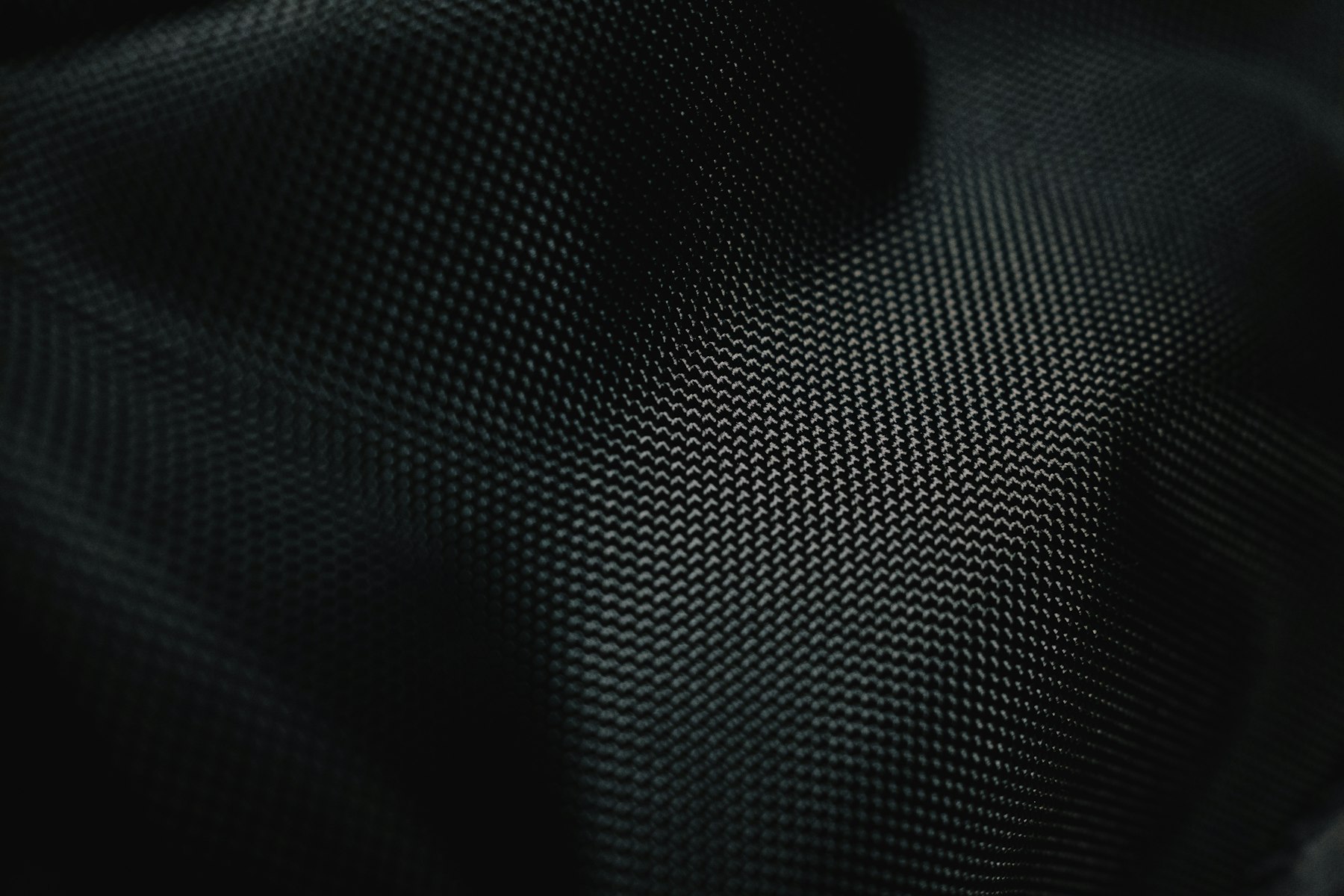
Toyobo Fabric for Uniforms
Toyobo is a polyester fabric widely used for uniforms because it stays neat, resists wrinkles, and is easy to care for.
Product Guide
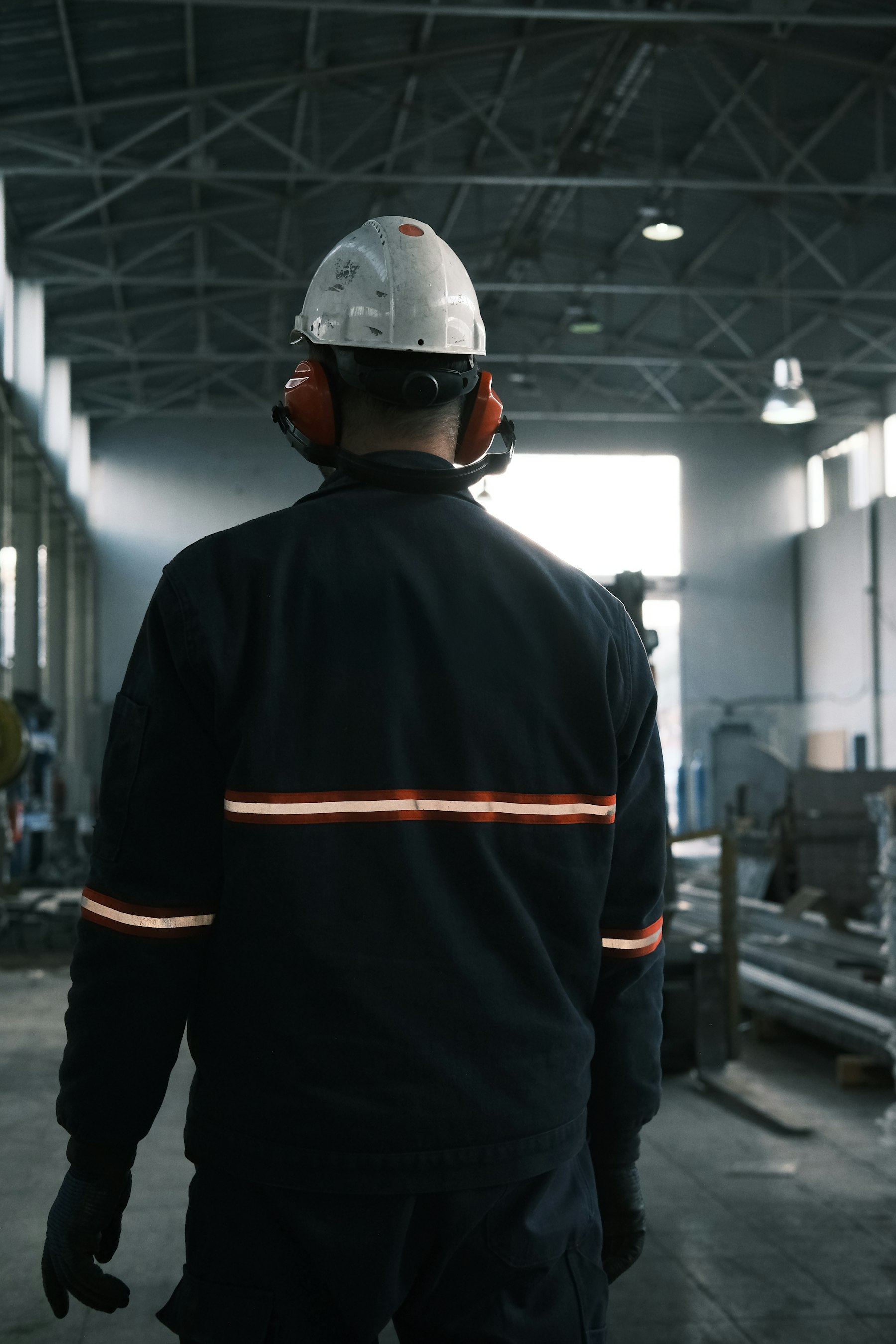
Understanding Fire-Retardant (FR) Fabric
FR fabric is made to resist burning. Learn the two main types and the jobs that call for them.
Product Guide
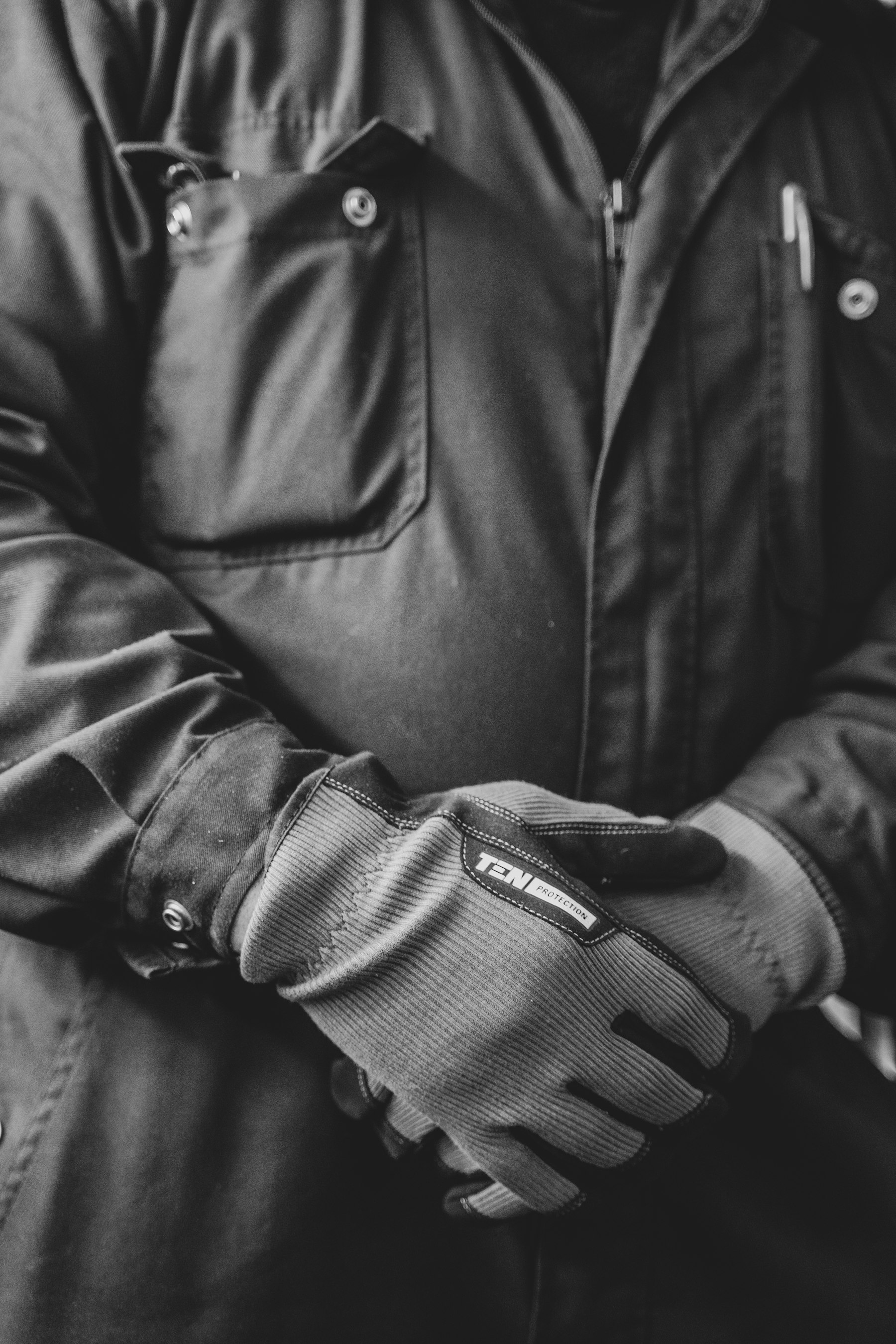
Anti-Cut Fabric: What It Offers
Anti-cut fabric is made from high-performance fibers for work around sharp objects. Here is how it works and where it is used.