

Understanding Technical Fabrics
Technical fabrics are built for function, such as water resistance or worker protection, rather than looks alone.
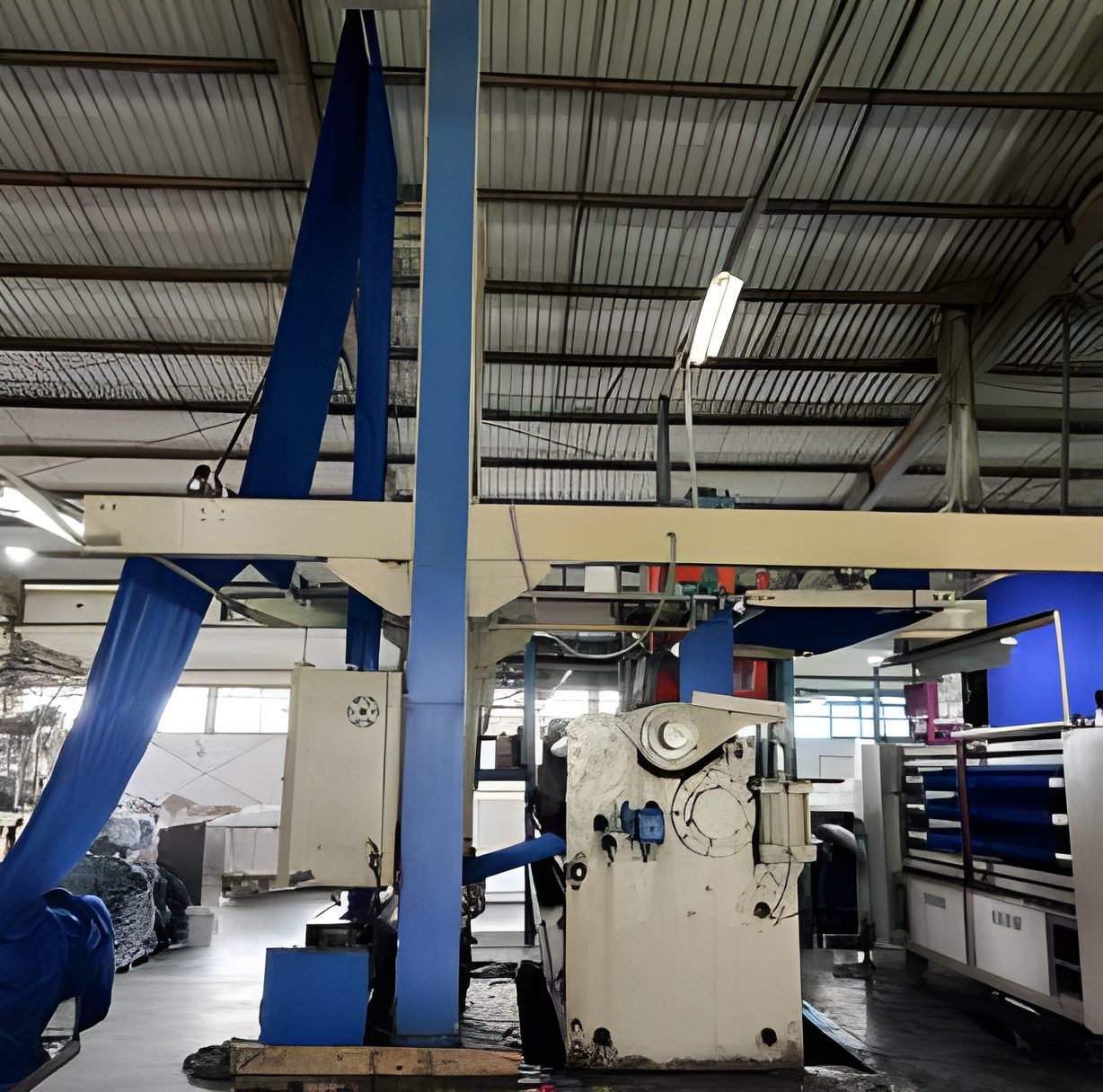
Not every fabric is made for everyday clothing. In harsh work environments ordinary cloth often falls short, which is where technical fabrics come in.
What they are#
Technical fabrics are engineered mainly for function and performance, not appearance. Their properties come from chemical treatment, coating, or special weaving, for example water resistance, anti-bacterial, or anti-static behaviour.
Where they are used#
- Medical protective garments.
- Cleanroom workwear for electronics assembly.
- Gear for chemical-industry workers who need protection from hazardous splashes.
As attention to workplace safety grows, workwear makers are increasingly asked to use materials that meet recognised standards, not just thick canvas.
How to choose#
You do not need to know textile chemistry. Prepare a description of the work environment and the hazards involved, then compare it with the properties of the available fabrics.
You can see some options on the Technical Fabric page.
Continue exploring
Related articles
Product Guide
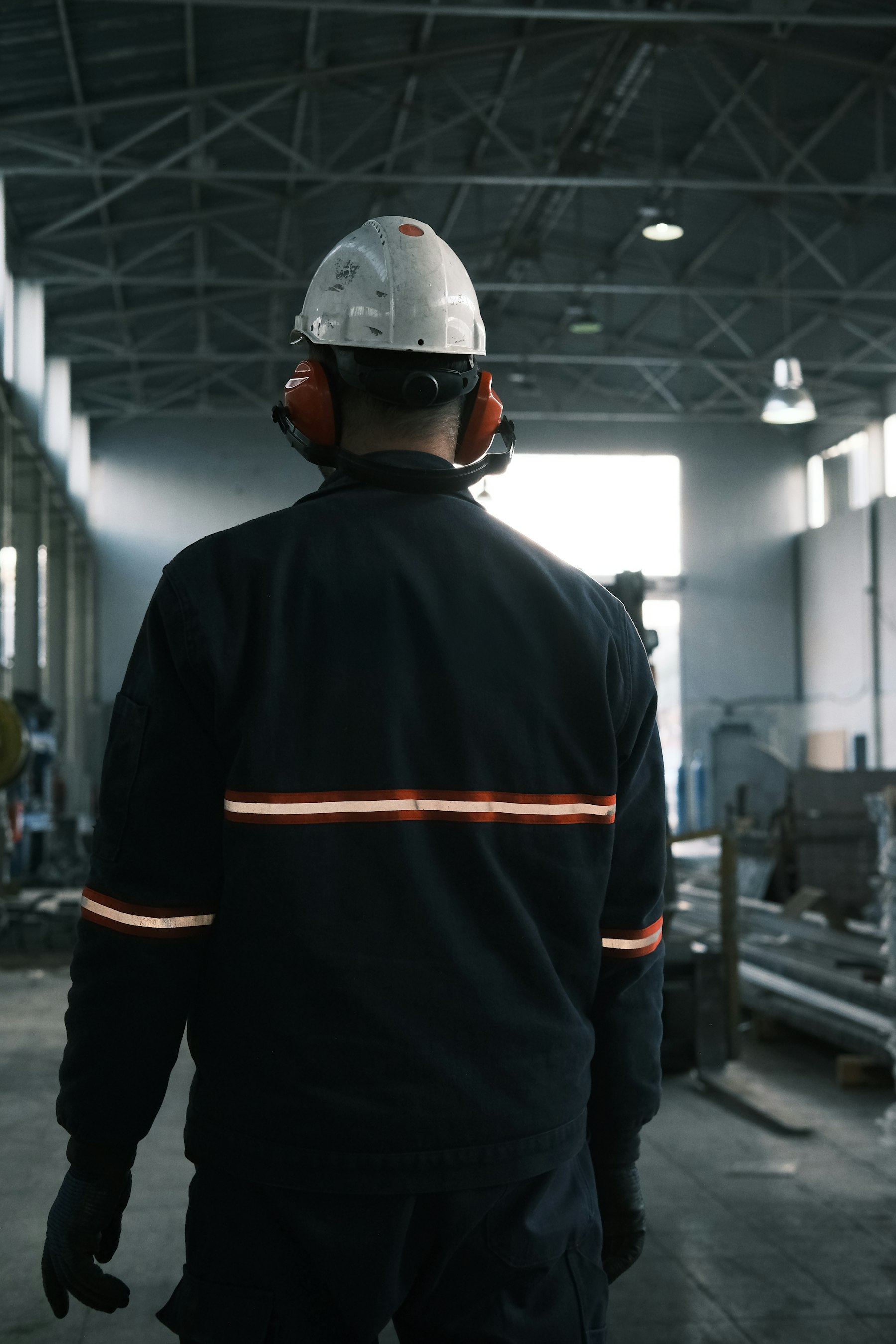
Understanding Fire-Retardant (FR) Fabric
FR fabric is made to resist burning. Learn the two main types and the jobs that call for them.

Product Guide
Anti-Cut Fabric: What It Offers
Anti-cut fabric is made from high-performance fibers for work around sharp objects. Here is how it works and where it is used.
Product Guide
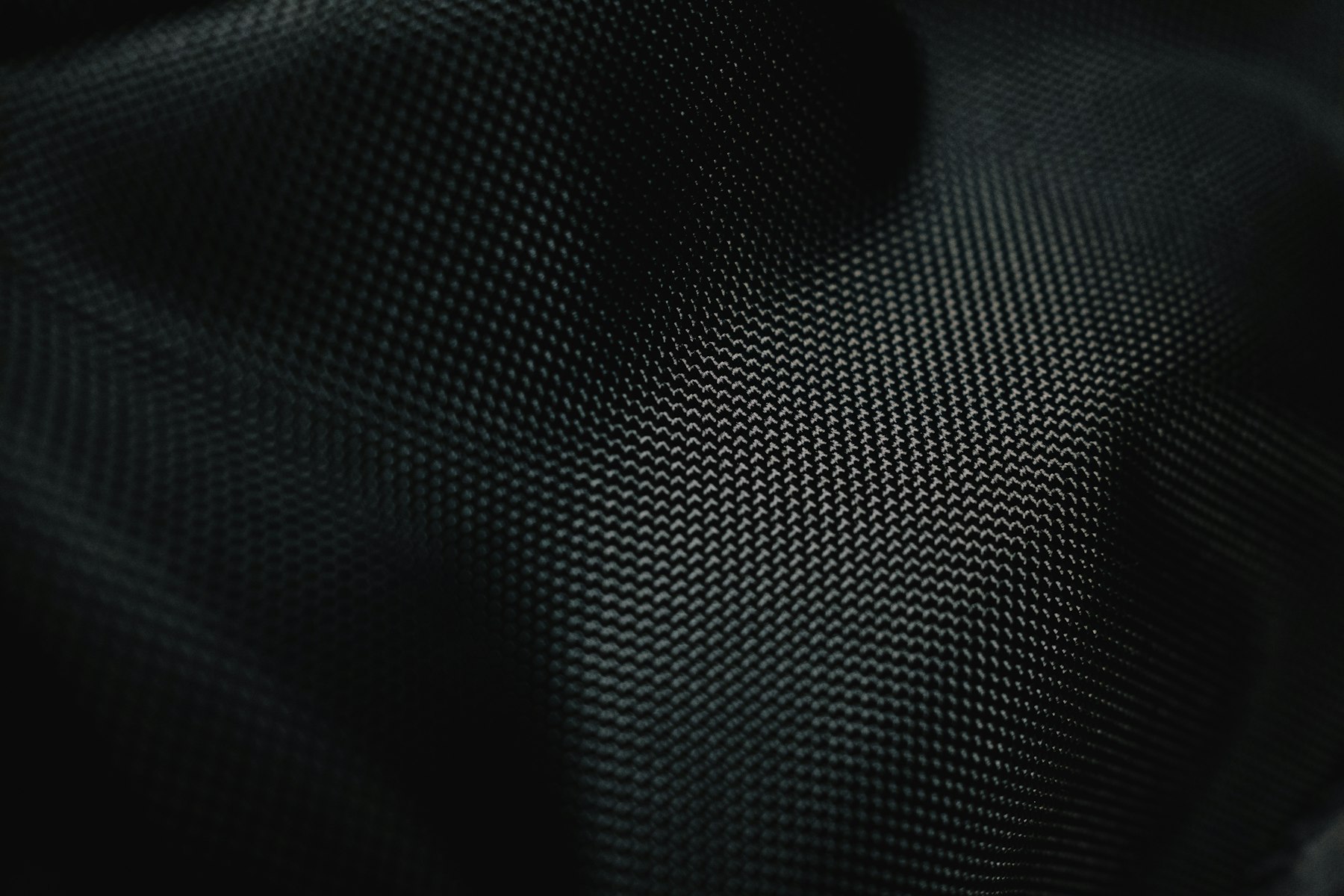
Toyobo Fabric for Uniforms
Toyobo is a polyester fabric widely used for uniforms because it stays neat, resists wrinkles, and is easy to care for.